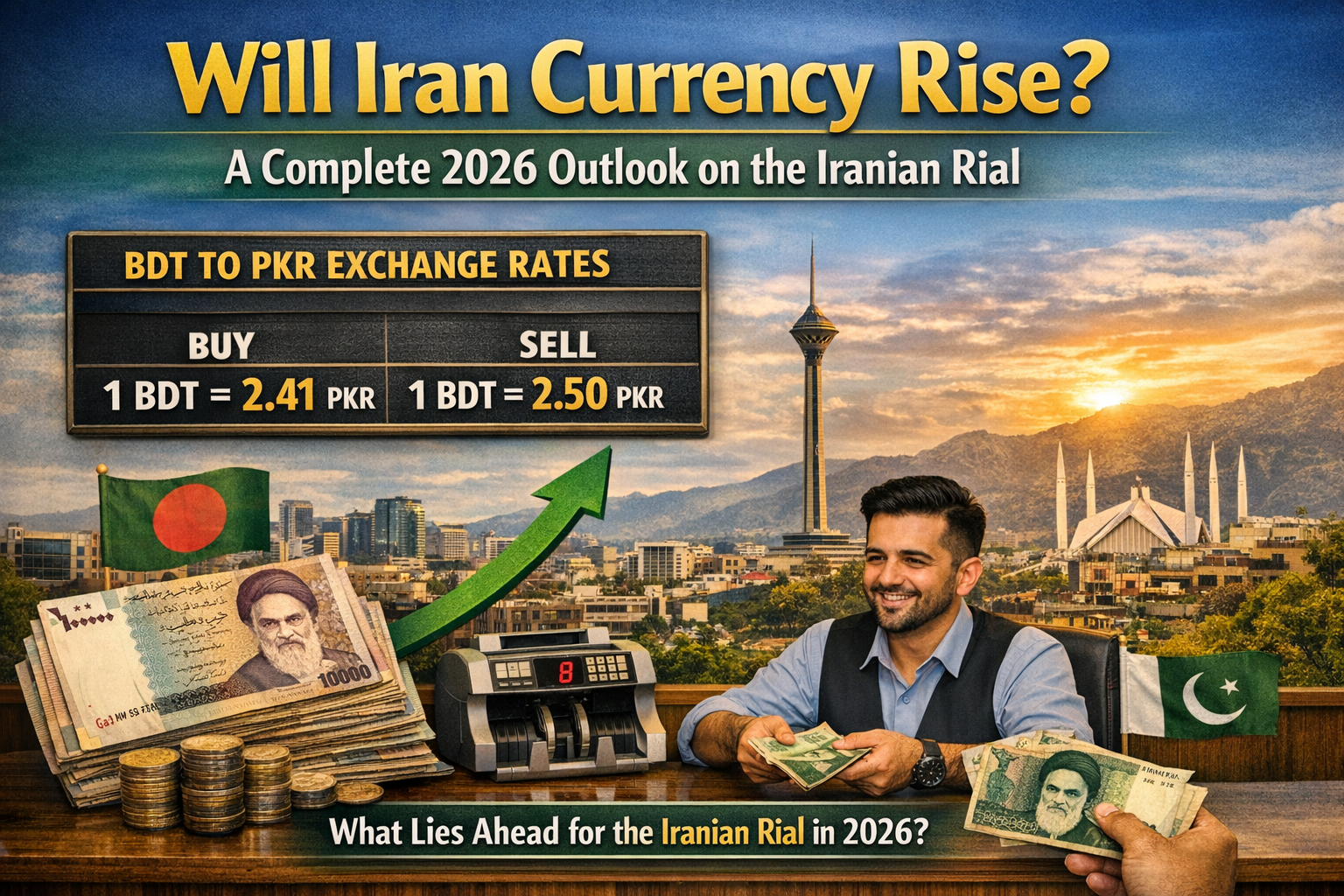
The question “will Iran currency rise?” has gained significant attention among investors, economists, and forex enthusiasts. The Iranian Rial has experienced extreme volatility over the years, influenced by sanctions, political dynamics, and economic reforms. In this detailed analysis, we will explore the future of Iran’s currency, key factors affecting its value, and whether a sustainable rise is possible.
Understanding the Iranian Rial’s Current Situation
The Iranian Rial is considered one of the weakest currencies in the world. Years of economic sanctions, inflation, and limited access to global financial systems have significantly reduced its purchasing power. Despite occasional short-term recoveries, the overall trend has been downward.
However, recent developments have sparked curiosity about whether the Rial could stabilize or even appreciate. To answer this, we must examine the underlying economic and geopolitical factors.
Key Factors That Could Influence Iran Currency Rise
1. Economic Sanctions and Global Relations
One of the most critical factors affecting the Iranian Rial is international sanctions. Restrictions imposed by countries like the United States have limited Iran’s ability to trade freely, especially in oil exports.
If sanctions are eased or lifted, Iran could:
- Increase oil exports
- Gain access to foreign currency reserves
- Improve investor confidence
These changes could directly strengthen the Rial. On the other hand, continued or stricter sanctions will likely keep the currency under pressure.
2. Oil Prices and Export Revenue
Iran’s economy heavily depends on oil exports. A rise in global oil prices can significantly boost government revenue and increase foreign exchange inflows.
When Iran earns more from oil:
- The demand for foreign currency decreases
- The Rial may stabilize or strengthen
However, fluctuations in oil prices make this factor unpredictable, which adds uncertainty to the currency’s future.
3. Inflation and Monetary Policy
High inflation has been one of the biggest challenges for Iran’s economy. When inflation rises:
- Purchasing power declines
- Currency value weakens
If the Iranian government implements strong monetary policies, such as controlling money supply and stabilizing prices, it could help the Rial recover. However, achieving this requires consistent economic discipline.
4. Political Stability and Internal Reforms
Political stability plays a crucial role in currency performance. Investors prefer stable environments where risks are minimal.
If Iran:
- Improves governance
- Implements economic reforms
- Encourages foreign investment
Then the Rial could see gradual improvement. Political uncertainty, however, can quickly reverse any gains.
5. Black Market vs Official Exchange Rate
Iran operates with multiple exchange rates, including official and black market rates. This creates confusion and reduces trust in the currency.
Unifying the exchange rate system could:
- Improve transparency
- Attract foreign investors
- Strengthen the Rial over time
Recent Trends: Is the Rial Showing Signs of Recovery?
In recent months, there have been reports of temporary increases in the value of the Iranian Rial. These spikes are often driven by:
- Speculation in local markets
- Government interventions
- Short-term political developments
However, these gains are usually not sustainable without strong economic backing. Long-term recovery requires structural changes, not just temporary fixes.
Can the Iranian Rial Realistically Rise?
The simple answer is: yes, but with conditions.
The Rial can rise if:
- Sanctions are reduced
- Oil exports increase
- Inflation is controlled
- Economic reforms are implemented
Without these factors, any rise is likely to be short-lived.
Money Exchange In Islamabad: Best Rates & Services
Risks Investors Should Consider
Before considering any investment related to the Iranian currency, it is essential to understand the risks:
- High Volatility: The Rial can fluctuate dramatically in a short time.
- Political Risk: Sudden policy changes can impact value.
- Limited Accessibility: International investors face restrictions.
- Economic Instability: Inflation and unemployment remain concerns.
These risks make the Rial a high-risk asset compared to more stable currencies.
Expert Predictions for 2026 and Beyond
Economic analysts remain divided on the future of the Iranian Rial. Some believe that improved diplomatic relations could lead to gradual appreciation. Others argue that structural issues will continue to weaken the currency.
Most experts agree on one point:
The future of the Rial depends more on political decisions than purely economic factors.
Currency Exchange in Islamabad
Final Verdict: Will Iran Currency Rise?
The Iranian Rial has the potential to rise, but only under favorable conditions. Without major changes in sanctions, economic policy, and political stability, a significant and lasting increase remains unlikely.
For now, the Rial may experience short-term fluctuations, but a strong and sustained upward trend will require long-term reforms and global integration.
Conclusion
The question “will Iran currency rise?” does not have a simple yes or no answer. While there is potential for growth, the path is complex and uncertain. Investors and analysts must closely monitor global politics, oil markets, and Iran’s internal economic policies.
If positive changes align, the Iranian Rial could stabilize and even strengthen. Until then, caution remains the best strategy when dealing with this highly volatile currency.