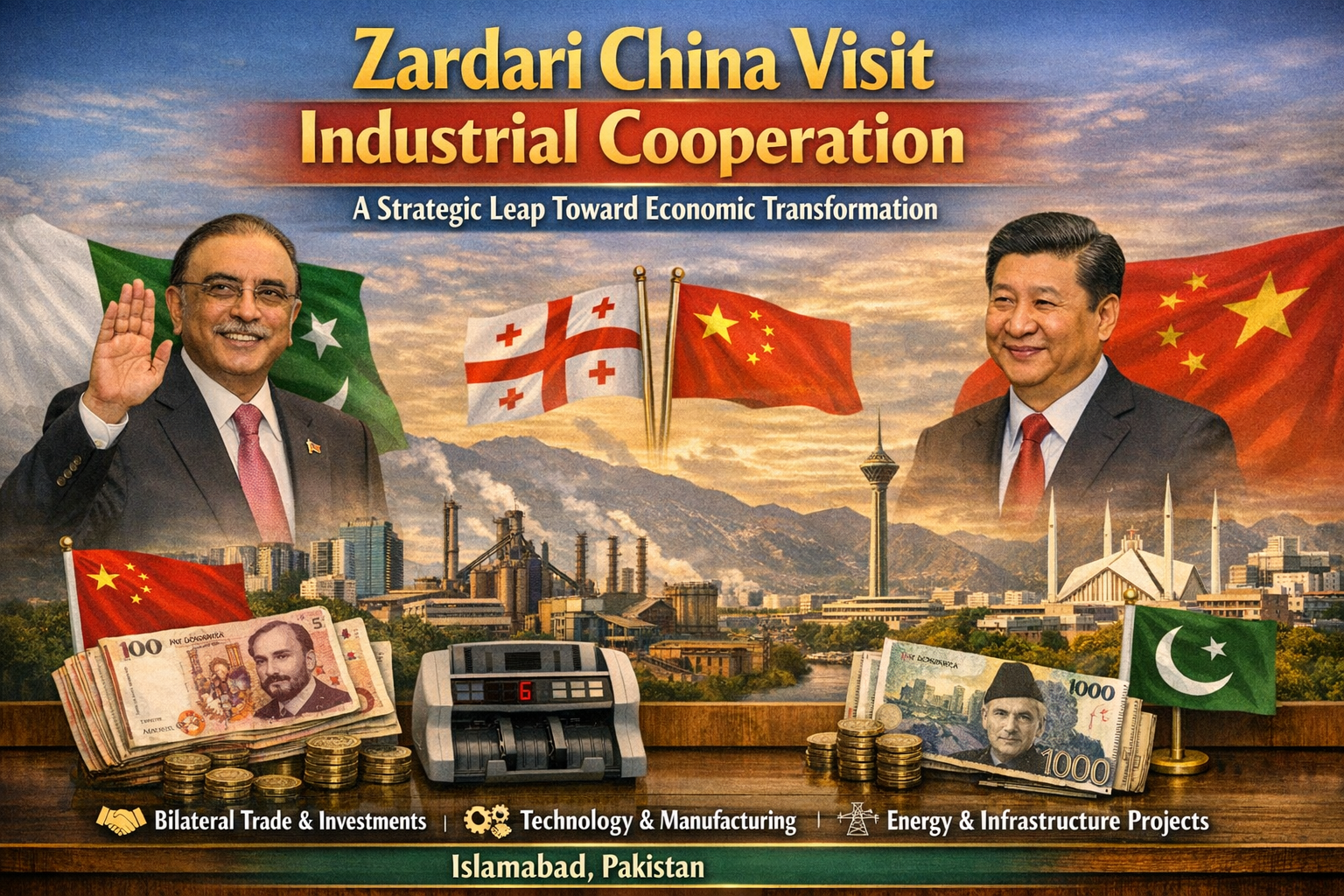
The zardari china visit industrial cooperation marks a defining moment in Pakistan’s economic diplomacy, signaling a renewed commitment to industrial growth, foreign investment, and long-term bilateral collaboration. As global economic dynamics shift, Pakistan is positioning itself to leverage strategic partnerships—particularly with China—to strengthen its industrial base, modernize infrastructure, and enhance trade competitiveness. This visit is not merely symbolic; it represents a calculated move toward economic resilience and sustainable development.
Understanding Pakistan-China Strategic Relations
Pakistan and China share one of the most enduring diplomatic and economic partnerships in modern geopolitics. Rooted in mutual trust, this alliance has evolved from political cooperation into a comprehensive economic partnership.
China continues to support Pakistan through investments, infrastructure development, and financial assistance. The relationship is often described as “iron brothers,” reflecting deep-rooted strategic alignment. Over the years, high-level visits, including those by Chinese leadership to Pakistan, have reinforced diplomatic ties and paved the way for large-scale economic initiatives.
Is China Supporting Pakistan Now? A Real-Time Economic Perspective
China remains a key economic partner for Pakistan, actively supporting various sectors:
- Energy projects reducing Pakistan’s power shortages
- Infrastructure development including highways, ports, and railways
- Industrial zones boosting manufacturing capacity
- Financial assistance stabilizing Pakistan’s economy
Recent developments show that China is not only maintaining but expanding its economic footprint in Pakistan. This includes renewed commitments under joint cooperation frameworks and increased focus on industrialization.
The Evolution of Bilateral Trade Agreements
The cornerstone of economic relations between Pakistan and China is the Free Trade Agreement (FTA). This agreement enables:
- Reduced tariffs on imports and exports
- Easier market access for businesses
- Increased bilateral trade volume
The second phase of the FTA significantly benefits Pakistan by offering zero-duty access to hundreds of product categories in the Chinese market. This shift has encouraged Pakistani exporters to diversify and scale operations.
What Is the China-Pakistan Economic Cooperation Project?
The most prominent initiative under this cooperation is the China-Pakistan Economic Corridor (CPEC). It is a multi-billion-dollar infrastructure and development project that connects Gwadar Port in Pakistan to China’s Xinjiang region.
Key Components of CPEC:
- Energy Projects: Coal, hydro, solar, and wind energy plants
- Transport Infrastructure: Highways, motorways, and railway lines
- Gwadar Development: Port city transformation into a trade hub
- Special Economic Zones (SEZs): Industrial clusters for manufacturing
CPEC is not just an infrastructure project—it is an economic transformation strategy aimed at turning Pakistan into a regional trade and industrial hub.
Industrial Cooperation: The Core Focus of the Visit
The recent visit emphasizes industrial cooperation, which is critical for Pakistan’s economic future. The focus areas include:
1. Establishment of Special Economic Zones (SEZs)
SEZs are designed to attract foreign investment by offering incentives such as tax exemptions, modern infrastructure, and ease of doing business. Chinese companies are expected to relocate industries to Pakistan, boosting local production.
2. Technology Transfer and Skill Development
China’s industrial expertise is being leveraged to train Pakistani labor and introduce advanced manufacturing techniques. This enhances productivity and competitiveness.
3. Joint Ventures and Industrial Partnerships
Pakistani and Chinese firms are collaborating to establish joint ventures in sectors like textiles, agriculture, electronics, and automotive manufacturing.
Impact on Pakistan’s Economy
Industrial cooperation with China is expected to deliver multiple economic benefits:
- Job Creation: Thousands of employment opportunities in manufacturing and services
- Export Growth: Increased production capacity leading to higher exports
- Foreign Investment: Boost in investor confidence and capital inflows
- Economic Stability: Diversified industrial base reducing dependency on imports
This transformation aligns with Pakistan’s long-term vision of achieving sustainable economic growth.
Currency Exchange and Trade Facilitation
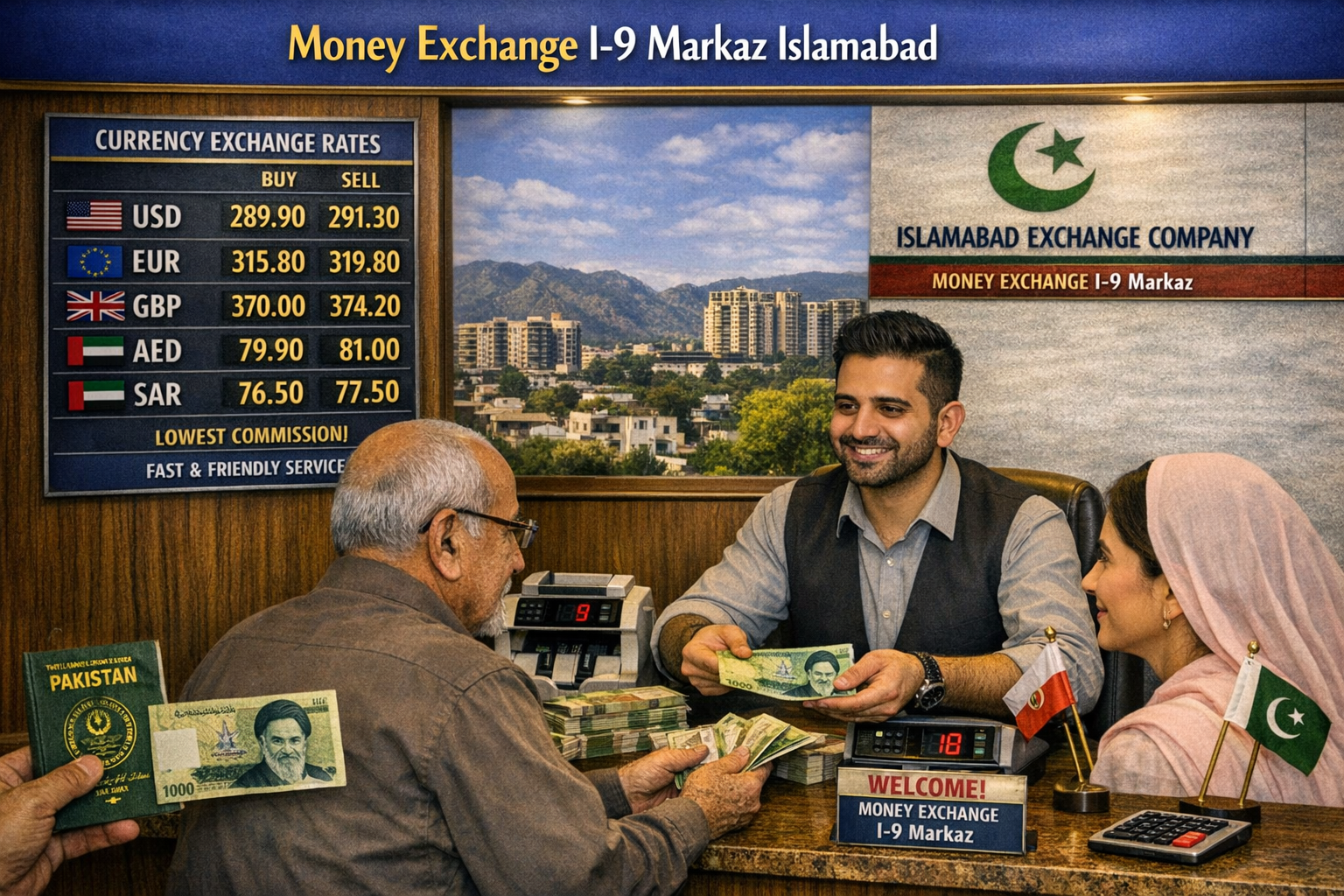
As trade between Pakistan and China expands, efficient currency exchange services become essential. Businesses and individuals involved in cross-border trade require reliable platforms to manage foreign currency transactions.
For seamless financial operations, explore trusted services at:
- Home: https://isbexchangeco.com/
- Contact: https://isbexchangeco.com/contact/
- Blog: https://isbexchangeco.com/blog/
Additionally, for in-depth insights into exchange services:
- https://isbexchangeco.com/money-exchange-in-islamabad/
- https://isbexchangeco.com/currency-exchange-in-islamabad/
These platforms provide real-time exchange rates, secure transactions, and professional financial guidance—critical for businesses engaged in international trade.
How Industrial Cooperation Strengthens Trade
Industrial collaboration directly enhances trade efficiency by:
- Reducing production costs
- Improving product quality
- Increasing export competitiveness
- Streamlining supply chains
Pakistan’s manufacturing sector, particularly textiles, agriculture, and light engineering, stands to gain significantly from Chinese investment and expertise.
Has the Chinese President Ever Visited Pakistan?
Yes, the Chinese President has visited Pakistan, reinforcing diplomatic ties and initiating key agreements. These visits have historically resulted in major economic deals, including the launch and expansion of CPEC. High-level diplomatic engagements continue to play a vital role in strengthening bilateral cooperation.
Future Outlook: A New Economic Era
The future of Pakistan-China industrial cooperation looks promising. With continued political alignment and economic collaboration, Pakistan is expected to:
- Become a regional manufacturing hub
- Increase exports to global markets
- Attract multinational corporations
- Strengthen its economic independence
The focus is shifting from infrastructure development to industrial productivity, signaling a mature phase of economic partnership.
FAQs
1. What is the significance of Pakistan-China industrial cooperation?
It enhances economic growth, boosts manufacturing, and increases foreign investment.
2. Is China still investing in Pakistan?
Yes, China continues to invest heavily in infrastructure, energy, and industrial sectors.
3. What is CPEC?
It is a large-scale economic corridor connecting Pakistan and China through infrastructure and trade projects.
4. How does the FTA benefit Pakistan?
It provides easier access to Chinese markets and reduces trade barriers.
5. What industries benefit most from this cooperation?
Textiles, agriculture, energy, and manufacturing sectors benefit significantly.
6. Are Special Economic Zones operational in Pakistan?
Yes, several SEZs are under development and attracting foreign investors.
7. How does this impact employment?
It creates thousands of jobs across various sectors.
8. What role does Gwadar Port play?
It serves as a strategic trade hub connecting regional markets.
9. Can small businesses benefit from this cooperation?
Yes, through supply chains, exports, and partnerships.
10. How can businesses manage currency exchange efficiently?
By using reliable services like those offered on isbexchangeco.com.
Conclusion
The strategic focus on industrial cooperation between Pakistan and China represents a transformative shift in economic policy. By prioritizing industrial growth, technology transfer, and investment, Pakistan is laying the foundation for a resilient and competitive economy. This partnership is not just about infrastructure—it is about building a future driven by innovation, productivity, and global integration.
For businesses and individuals looking to capitalize on this economic transformation, staying informed and financially prepared is essential. Explore professional currency exchange solutions and expert insights at https://isbexchangeco.com/ to navigate the evolving trade landscape with confidence.